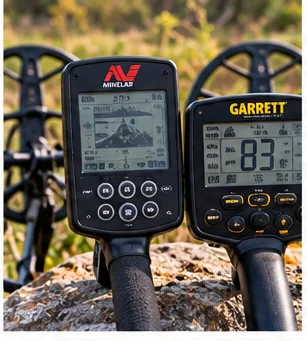
Metal detector batteries lose runtime in the cold because low temperatures slow the chemistry that makes power, and the loss is usually temporary: runtime recovers as the battery warms. Check the operating temperature in your manual, start with a full charge, keep spares warm and plan a shorter session than the rated runtime.
In This Guide
Affiliate disclosure: We may earn a commission from qualifying purchases made through links on this page, at no extra cost to you.
Why cold shortens runtime
Batteries make power through chemical reactions, and cold slows those reactions. A cold battery can deliver less for a while, so a detector that runs all day in mild weather may run out sooner on a freezing morning. For the lithium-ion pack in a typical consumer device, Apple's battery guidance says a very cold environment may reduce battery life, and that the effect is temporary: performance returns to normal once the battery warms back into its usual range. That page is written for phones and tablets, not detectors, but it is a clear statement of how consumer lithium-ion batteries generally behave.
The practical lesson is that a short runtime in the cold is usually a temperature problem, not a sign the battery is dead. It is still a reason to plan with a margin.
What your detector actually runs on
Detectors and their accessories use different power sources, and the cold rating belongs to the battery, so it helps to know which one you have.
- Built-in rechargeable lithium-ion: Minelab's pages for its Equinox family and the Vanquish 360 list a built-in lithium-ion battery. The Vanquish 360 page states up to 10 hours of continuous run time. Neither page lists an operating temperature range, and the runtime figure is not a cold-weather figure, so the manual is where to look.
- Replaceable alkaline cells: a Nokta pinpointer page lists a 9V alkaline battery, a working temperature of -20 to +50 degrees Celsius (-4 to +122 degrees Fahrenheit) and up to 30 hours of battery life.
- AA cells: many detectors and accessories take AA batteries. Energizer's datasheet for its AA alkaline cell lists an operating temperature of -18 to 55 degrees Celsius (0 to 130 degrees Fahrenheit). Its datasheet for the AA lithium cell lists -40 to 60 degrees Celsius (-40 to 140 degrees Fahrenheit).
Those battery ranges describe where a cell is meant to operate, not how long it will run at the cold end. Energizer's lithium datasheet includes a chart of capacity against temperature, including an alkaline comparison, but the chart is a graph and we have not read exact capacity numbers from it. The sheet also says it is for reference only. Treat these figures as limits to check, not promises about runtime.
| Power source | What the sources say (as of October 2026) | Habit for cold hunts |
|---|---|---|
| Built-in lithium-ion pack | Minelab pages list built-in lithium-ion and no operating temperature; Apple says cold can temporarily reduce lithium-ion battery life | Check your manual, start with a full charge, keep the detector warm until you head out |
| AA alkaline | Energizer lists 0 to 130 degrees Fahrenheit operating range | Carry spares in an inside pocket and swap early |
| AA lithium | Energizer lists -40 to 140 degrees Fahrenheit operating range, with a capacity chart | Use only if the device manual allows lithium cells |
| 9V alkaline | A Nokta pinpointer page lists -4 to 122 degrees Fahrenheit working temperature | Check the pinpointer manual and carry a spare |
Habits that help
- Start warm. Keep removable batteries and a power bank in an inside pocket until you need them. Body heat helps a battery deliver more.
- Start full. Charge the night before and leave with a full pack. A built-in battery cannot be swapped, so a power bank or a shorter hunt is the backup.
- Carry spares. If your detector or pinpointer takes replaceable cells, bring a fresh set in the correct type. Check the manual for what is allowed before you try a different chemistry.
- Swap early. If the detector starts to behave oddly or the battery indicator drops fast, change cells and let the cold ones warm in a pocket. They may recover some capacity.
- Do not charge a frozen battery. Apple notes charging may pause in extreme temperatures. Let a cold pack come to room temperature indoors and check your detector manual for its charging temperature range.
- Do not forget the accessories. Wireless headphones, pinpointers and power banks have batteries too, and the weakest one decides when the hunt ends.
AA lithium batteries, if your devices allow them
Only use a chemistry your detector or pinpointer manual permits. Check the cell size and type before ordering.
Planning a cold session
Use the maker's runtime figure as a ceiling in the cold, not an expectation. If a manual says a battery lasts a certain number of hours, plan for a shorter session when it is freezing, and carry a way to recharge or swap. Our post on rechargeable batteries and power banks covers the carrying side, and the battery and charging guide has general planning tips.
USB power bank for the field
Check the output connector and whether your detector supports external charging in the manual before relying on one. Keep it inside your jacket in the cold.
After the hunt
Do not leave a cold detector in a warm car or house with the case sealed. Let it warm gradually, then dry and store it. Remove batteries for long storage as the manual advises. Our detector care guide covers drying and storage, and the cold weather gear guide covers the rest of the kit.
Bottom line
Cold can shorten battery runtime for a while, and the effect is temporary. Check your manual for the operating and charging temperature range, start with a full battery, keep spares warm in an inside pocket and plan shorter sessions than the maker's runtime figure suggests.
Frequently Asked Questions
Why do metal detector batteries die faster in the cold?
Cold slows the chemical reactions inside a battery, so it delivers less for a time. Apple notes that for lithium-ion devices the effect is temporary and performance returns as the battery warms.
What temperature is too cold for a metal detector battery?
It depends on the battery and the device. Energizer lists -18 to 55 degrees Celsius for its AA alkaline and -40 to 60 degrees Celsius for its AA lithium, and one Nokta pinpointer page lists -20 to +50 degrees Celsius. Check your own detector manual.
Should I use lithium AA batteries in the cold?
Lithium AA cells list a wider operating range than alkaline, but only use a chemistry that your detector or pinpointer manual allows.
Can I charge a detector battery that is freezing cold?
Let it warm to room temperature first. Charging can pause in extreme temperatures, and your manual may list a charging temperature range.
How can I keep my detector battery warmer?
Keep spares and power banks in an inside pocket, start with a full charge and swap cells early. A built-in battery cannot be swapped, so plan a shorter session.
Sources and verification
Facts in this guide come from these pages, opened as of October 2026. Manufacturer pages vary, so confirm figures in your own manual:
- Minelab, Equinox family: built-in rechargeable lithium-ion battery; no operating temperature or runtime stated on the page.
- Minelab, Vanquish 360: built-in lithium-ion battery with up to 10 hours of continuous run time; no operating temperature stated.
- Nokta, Pointer: 9V alkaline battery, up to 30 hours, working temperature -20 to +50 degrees Celsius.
- Energizer AA alkaline datasheet: operating temperature -18 to 55 degrees Celsius.
- Energizer AA lithium datasheet: operating temperature -40 to 60 degrees Celsius, with a capacity-versus-temperature chart whose exact values we did not read.
- Apple, maximizing battery performance: cold can temporarily reduce lithium-ion battery life; charging may pause in extreme temperatures. This is guidance for Apple devices, used here as a general reference.
We could not find an operating temperature stated on the Minelab pages above, so for any detector with a built-in battery, check the user manual for its temperature range and charging guidance.
DetectorGear.co is a participant in the Amazon Services LLC Associates Program and the eBay Partner Network. When you purchase through links on this page, we may earn a commission at no additional cost to you. Affiliate relationships do not influence our editorial recommendations. Learn more.