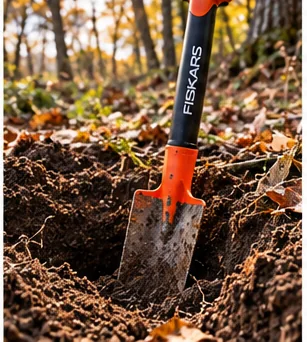
A metal detector does work on frozen ground. The coil and the targets behave as usual, but the soil's electrical response changes, ground balance needs rechecking, and digging gets hard and harder to restore. Mineral content, trash and your technique do not change.
In This Guide
Affiliate disclosure: We may earn a commission from qualifying purchases made through links on this page, at no extra cost to you.
The short answer
Yes, a metal detector can work on frozen ground. The coil still sends and receives its signal, and a coin is still a coin. What changes is the soil around the target, how hard it is to dig, and how responsible it is to dig at all. No single rule covers every machine, so treat what follows as a general guide and check your own manual for ground balance and cold-weather guidance.
What changes in the signal
Soil is not electrically neutral. Much of how soil responds to a detector depends on moisture and dissolved minerals. A 2025 soil study found that as soil freezes, its electrical resistivity rises, because less unfrozen water is left to carry current. In plain terms, frozen soil conducts less electricity than the same soil thawed. That study measured soil in a lab, not detectors in the field, so it does not tell you what your machine will do. It does help explain why many hunters describe ground that feels quieter in a hard freeze.
The effect is not guaranteed. It depends on the soil type, how deep the frost goes, whether the top inch is frozen and the layer below is still wet, and the detector's technology. A hard frost over dry sand behaves very differently from a frozen crust over wet clay.
What does not change
| Changes | Stays the same |
|---|---|
| Soil conductivity, as moisture freezes | The mineral content of the soil, such as iron minerals |
| How hard it is to dig | Metal targets still respond to the coil |
| Where moisture sits in the ground, in layers | Trash, nails and iron still compete for your attention |
| The condition of your batteries and your hands | Good habits: slow swing, steady coil height, overlap |
| Footing, snow cover and visibility | Land-access rules and permission |
That second column matters. If a spot was full of iron and bottle caps last month, it still will be. Frozen ground does not remove junk, so your discrimination choices and recovery decisions are the same. Our guide on ground balance explains why mineral content, not just moisture, drives much of the ground signal.
Ground balance and settings
Ground balance tunes the detector to the soil it is working in. When the soil changes, it makes sense to check or reset ground balance, whether you do it automatically, manually or with a tracking mode. Frozen soil is a change, and a field that is frozen in the morning and thawing by afternoon is a moving target. Re-check your ground balance when conditions shift, and consult your manual for how your detector handles it. Our how to ground balance post walks through the process.
Sensitivity is worth re-checking too. If the detector chatters, lower it a notch; if it is steady, there is no reason to change it. Do not assume that quieter ground means you can push sensitivity to the maximum, since interference and electrical noise do not depend on frost.
Digging frozen ground
This is where the real change happens. Frozen ground is hard, so a hand digger may not get through the top layer. Worse, a plug of frozen turf cannot be cut and replaced neatly, and a hole you cannot restore leaves damage that lasts. In many places, land owners and managers do not want digging while the ground is frozen or saturated. Ask before you dig, and remember that rules vary by land type and by state. The land manager or the state agency is the place to confirm, and our post on detecting laws and etiquette gives a general starting point. It is not legal advice.
If you are allowed to dig, a few habits help. Mark the target with the pinpointer, work the plug carefully, and stop if you cannot restore it. Many hunters simply flag the target and return after a thaw. The clean plug guide explains the technique for normal soil.
Gear that helps on hard, cold ground
Frozen ground is rough on equipment. A coil cover or skidplate protects the bottom of the coil from scraping on frozen clods, ice or gravel. A kneeling pad keeps your knees off the cold surface, and warm clothing keeps you out long enough to hunt well; our cold weather gear guide covers that. Check the manual for whether your coil and control box tolerate snow or ice, since waterproof ratings vary.
Coil cover or skidplate
Match it to your exact coil size and shape. Read the listing for fit before ordering. See our skidplate guide for the trade-offs.
Waterproof kneeling pad
A thick pad keeps cold, hard ground away from the knees. Choose a waterproof surface that is easy to wipe clean.
When it is worth hunting
Frozen ground can be a pleasant time to hunt where digging is not needed, such as a site you are only scouting, or a location where you are allowed to recover targets. A light snow cover can hide trash, but it also hides hazards. Keep the coil close to the surface, watch your footing and keep your session short.
Bottom line
A detector works on frozen ground, but the soil responds differently, ground balance needs rechecking and digging is the real problem. Frozen soil generally conducts less, which may quiet the ground, though results vary. Do not dig turf you cannot restore, ask the land manager first, and protect your coil.
Frequently Asked Questions
Can you metal detect in frozen ground?
Yes. The detector still works, but the soil response, ground balance and digging conditions change. Check your manual and the land rules before you go.
Does frozen ground let a detector go deeper?
It can sometimes feel quieter because frozen soil generally conducts less electricity, but depth gains are not guaranteed. They depend on the soil, frost depth and detector technology.
Do I need to ground balance again in frozen ground?
It is a good idea to check ground balance whenever soil conditions change. A field that thaws during the day is a good example.
Should I dig targets in frozen ground?
Often not. A frozen plug cannot be cut and replaced neatly, and many land owners and managers prefer no digging while the ground is frozen. Ask first, or flag the target and return after a thaw.
Does cold affect my detector?
Cold can reduce battery runtime and make hands clumsy. Check the manual for the detector's operating temperature range and carry spare batteries warm.
Sources and verification
One factual claim in this guide comes from soil research. It is a laboratory soil study, not a metal detector test:
- Applied Sciences (MDPI), volume 15, issue 13, article 7498: reports that soil electrical resistivity rises as soil freezes and that unfrozen water content is a controlling factor.
How a given detector responds to frozen soil is not covered by that study and varies by machine. Check your manual for ground balance and temperature guidance, and confirm digging rules with the land owner or manager.
DetectorGear.co is a participant in the Amazon Services LLC Associates Program and the eBay Partner Network. When you purchase through links on this page, we may earn a commission at no additional cost to you. Affiliate relationships do not influence our editorial recommendations. Learn more.