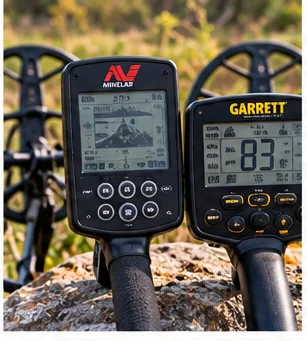
Before you buy, read the warranty for the exact detector and compare how long it lasts, what starts the clock, what is covered and excluded, how coils and accessories are treated, whether registration or an authorized dealer is required and how service works. A warranty is not the same as a seller's return window.
In This Guide
Affiliate disclosure: We may earn a commission from qualifying purchases made through links on this page, at no extra cost to you.
Why the warranty belongs in the buying decision
A metal detector spends its life being swung against dirt, rained on and knocked around in a car. Even a well-made machine can fail, and the warranty decides who pays and how long you wait when it does. Yet most buyers compare features and price and read the warranty, if at all, after something breaks.
The better order is to read the warranty text for each machine on your shortlist before you buy. It takes ten minutes, and it can change your choice. This guide lists what to compare, using the structure that United States warranty law gives to written warranties. It is general information, not legal advice, and the actual terms for any detector are set by its maker, so read those.
What a written warranty has to tell you
The Federal Trade Commission's guide to the federal warranty law describes some basics that help when you read a detector warranty (FTC guidance, read October 2026):
- Full or limited. A written warranty on a consumer product above a small price threshold must be labeled "full" or "limited." A warranty is "full" only if it meets a set of conditions, including free service, coverage for any owner during the warranty period and a choice of replacement or refund if the product cannot be repaired after a reasonable number of tries. Anything else is "limited," so the details matter.
- Clear terms. The warranty should set out what is covered, how long coverage lasts, what is excluded, what the warrantor will do and how to get service.
- Availability before you buy. For products above a modest price, retailers are expected to display the warranty near the product or provide it on request, and sellers who do not show it in person need to explain how to get a copy. Warrantors can meet their part by posting the terms online and offering a way to request them without the internet.
- Registration cards. The guide says that requiring a returned registration card is not allowed as a condition of service under a full warranty, though a limited warranty can set conditions that are reasonable. Read your own warranty to find out what is required.
The practical point is simple. If you cannot find a warranty before you buy, ask the seller or the maker for it, and wait for the answer.
The comparison checklist
| What to compare | What to look for |
|---|---|
| Length and start date | How long coverage runs, and whether the clock starts on the purchase date, the ship date or the date of registration |
| What is covered | Parts, labor and shipping, and whether the control box, coil, shaft, cables and headphones are covered differently |
| Exclusions | Wording on water or submersion damage, misuse, modification, unauthorized repair, normal wear and cosmetic damage |
| Accessories | Whether coils, headphones, batteries and pinpointers have their own, shorter or separate terms |
| Proof of purchase | Whether a receipt is required, and whether the seller must be an authorized dealer |
| Registration | Whether registration is required, optional or only a way to start the clock; and the deadline, if any |
| Transfer | Whether coverage passes to a second owner, and what paperwork is required |
| Service route | Where to send it, who pays shipping each way, whether there is a local service center and the usual turnaround |
| Region | Whether the warranty applies where you live or where you bought it, especially for imports and cross-border orders |
Warranty terms differ between makers and even between models from the same maker, so read the one for the exact detector. The maker's support or warranty page is the place to start, and the printed warranty in the box should match it.
The parts people forget to check
Coils and accessories. The main unit and its accessories may be covered on different terms. If you plan to buy a larger coil or a better pair of headphones, check that warranty as well, since they are what you are most likely to damage in the field. Our accessory buying checklist covers fit and compatibility.
Water and field damage. A waterproof rating and a warranty are two separate things. A machine can be rated for submersion and still have warranty language that limits what counts as covered water damage. Read both, and follow the manual's guidance on seals and care.
Authorized dealers. Some warranties apply only to purchases from authorized sellers, and a bargain from an unknown seller may not qualify. If a deal looks unusually good, ask whether the warranty is intact before you pay.
Second-hand units. Used machines may have no warranty left, or one that does not transfer. Our new versus used guide explains how to weigh that.
Warranty is not the same as a return window
A return window lets you send back a purchase for a refund or replacement within a stated period, and it comes from the seller. A warranty covers defects and failures over a longer period, and it comes from the maker. A seller's holiday return policy may be generous, and the maker's warranty may be short, or the other way around. Read both. Our Black Friday shopping plan explains what to check about return windows during busy sales.
Extended protection plans sold by a retailer or a third party are a third thing. Read the plan to see what it adds to the maker's coverage, who administers it and what it excludes before you decide whether it is useful.
After you buy: keep the paperwork
- Save the receipt. A photo and a printed or emailed copy both help.
- Record the serial number and model. Check where the serial number is on your machine, and write it down.
- Register if the warranty asks for it, or if the maker offers it as a way to start coverage.
- Download the warranty text. Save a copy on your phone, since web pages and terms can change.
- Know the service route. Write down the support email and address before you need them.
Small waterproof receipt and manual folder
Keep the receipt, manual and warranty card together in one sleeve in the detector bag. Choose a folder that fits a folded manual.
Our winter tune-up checklist suggests a yearly time to confirm all of this is in order. If you are still choosing a machine, our first detector guide covers what to weigh beyond the warranty.
Bottom line
Read the warranty for the exact model before you buy. Compare the length, what starts the clock, what is covered and excluded, how accessories are treated, whether registration or an authorized dealer is required and how service works. Keep the receipt and serial number. A warranty is separate from a return window, and an extended plan is a third thing. This is general information, not legal advice.
Frequently Asked Questions
What should I check in a metal detector warranty?
Check the length and start date, what is covered and excluded, how coils and accessories are treated, registration, proof of purchase, transfer rules and how to get service.
Is a limited warranty bad?
Not necessarily. Under the FTC guidance, a warranty is called full only if it meets set conditions, and anything else is limited. What matters is what the terms cover.
Does a waterproof rating mean water damage is covered?
Not automatically. A waterproof rating and a warranty are separate. Read the exclusions and your manual for care steps.
Is a warranty the same as a return policy?
No. A return window comes from the seller and covers sending a purchase back. A warranty comes from the maker and covers defects over a longer period.
Can I get the warranty before I buy?
Under the FTC guidance, retailers and warrantors are expected to make the warranty available before sale for products above a modest price. If you cannot find it, ask the seller or the maker.
Sources and verification
The legal outline in this guide comes from one page, read in October 2026:
- Federal Trade Commission, Businessperson's Guide to Federal Warranty Law: full versus limited warranties, clear terms, pre-sale availability of warranty text and the treatment of registration cards.
This guide quotes no detector maker's terms; read the warranty for the exact model before you buy. Read the warranty for your exact model, and ask the seller or the maker if you cannot find it.
DetectorGear.co is a participant in the Amazon Services LLC Associates Program and the eBay Partner Network. When you purchase through links on this page, we may earn a commission at no additional cost to you. Affiliate relationships do not influence our editorial recommendations. Learn more.